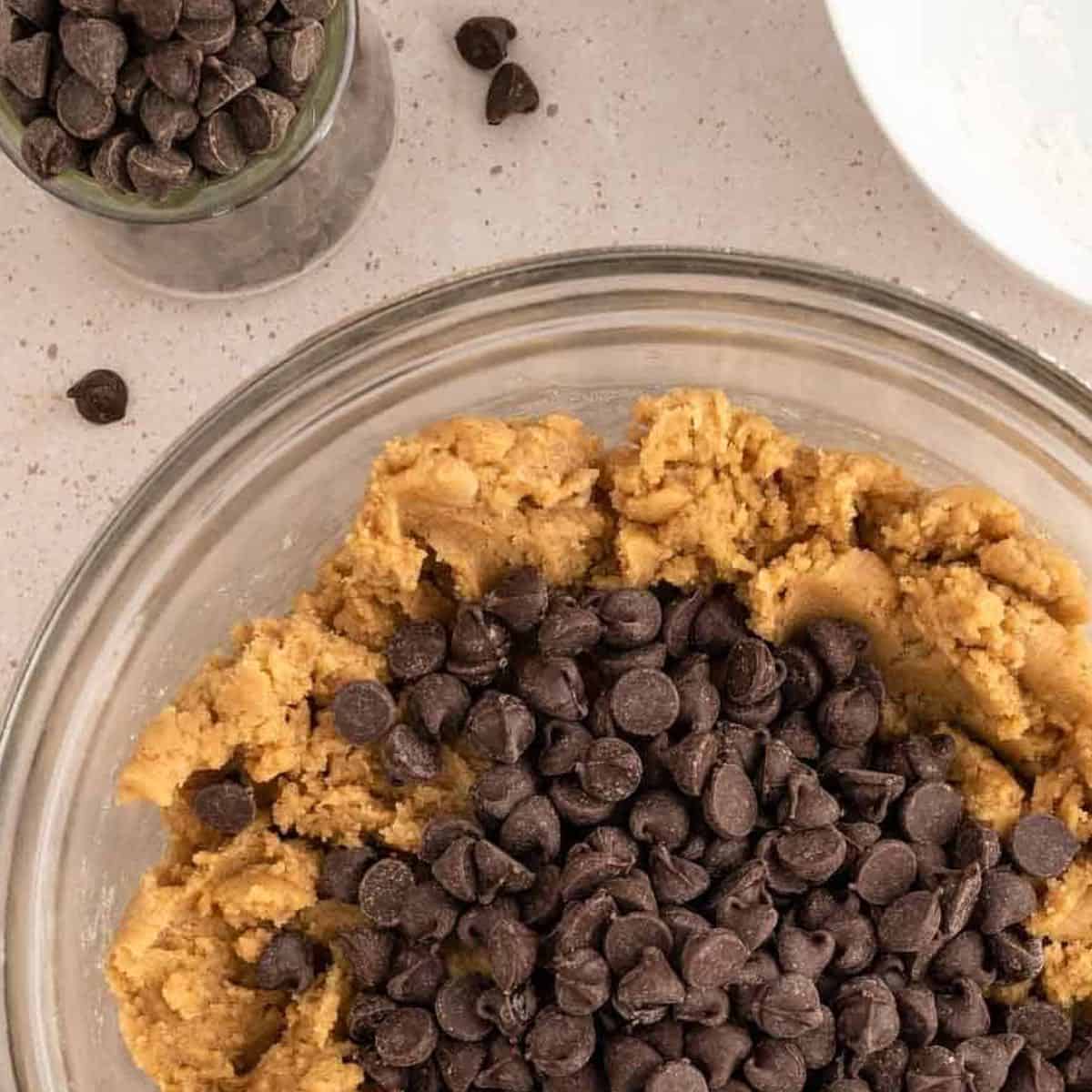
Understanding Vegan Chocolate Chips: A Delightful Dairy-Free Staple
In the bustling world of baking and snacking, chocolate chips hold a revered place as tiny morsels of joy, capable of transforming a simple batter into a beloved treat. But for a growing number of individuals embracing a plant-based lifestyle, navigating food allergies, or simply seeking more mindful eating choices, the question often arises: what exactly are vegan chocolate chips?
These confectionery gems represent a crucial innovation in the dairy-free market, offering all the rich, decadent flavor of traditional chocolate chips without any animal-derived ingredients. They've become an indispensable pantry item, not just for vegans, but also for those with lactose intolerance, dairy allergies, or anyone looking to explore the vibrant world of plant-based culinary creativity. From gooey cookies to luscious brownies and beyond, vegan chocolate chips ensure that no one has to miss out on the sweet, chocolatey goodness they crave.
What Makes Them Vegan? A Look at the Core Ingredients
The fundamental difference between vegan and conventional chocolate chips lies in their ingredient list. While traditional varieties often contain milk powder, whey, or casein to achieve their creamy texture, vegan chocolate chips are meticulously crafted to exclude all such animal products. Their rich flavor and smooth melt come entirely from plant-based sources, ensuring they align with strict vegan dietary requirements.
Typically, you'll find a concise list of ingredients designed to deliver maximum flavor and optimal baking performance:
- Cocoa Mass (or Cocoa Liquor/Solids): This is the concentrated form of the cacao bean, ground into a paste. It provides the deep, characteristic chocolate flavor and color. It's naturally vegan.
- Cocoa Butter: The fat extracted from the cacao bean, cocoa butter is key to chocolate's smooth texture and its ability to melt beautifully. It contributes a luxurious mouthfeel and is entirely plant-based.
- Sugar: While sugar itself is plant-derived, some conventional sugars are processed using bone char, an animal product. Vegan chocolate chip brands typically use cane sugar, beet sugar, or other sweeteners that are processed without bone char, or opt for unrefined, organic sugars. Always check labels if this is a concern.
- Lecithin: An emulsifier that helps bind the fat and cocoa solids together, preventing separation and ensuring a smooth, consistent texture. In vegan varieties, lecithin is commonly sourced from soy or sunflower, both plant-based options.
- Natural Flavorings (e.g., Vanilla Extract): Used to enhance the chocolate's taste profile. Vegan-friendly vanilla or other natural flavors are carefully selected to ensure no animal derivatives are present.
Some brands may also incorporate alternative plant-based sweeteners like coconut sugar, erythritol (for sugar-free options), or even plant-based milk powders (like oat or rice milk powder) to create "milk-style" vegan chocolate chips. For a more detailed breakdown of what goes into these delectable morsels, consider Unpacking Vegan Chocolate Chips: Ingredients for Guilt-Free Treats.
It's important to always scrutinize ingredient lists, especially for "may contain" warnings related to dairy, which typically indicate potential cross-contamination during manufacturing rather than intentional addition of dairy. For strict allergy sufferers, seeking certified vegan products is often the safest bet.
Why Choose Vegan Chocolate Chips? Health, Ethics, and Flavor
The decision to opt for vegan chocolate chips extends far beyond simply avoiding dairy. For many, it's a conscious choice driven by a blend of health, ethical, and environmental considerations, all without compromising on delicious flavor.
Addressing Dietary Needs and Allergies
The most immediate and obvious benefit of vegan chocolate chips is their suitability for those with dietary restrictions. Roughly 68% of the world's population experiences some form of lactose intolerance, making traditional dairy products a source of discomfort. For individuals with dairy allergies, even a small amount of milk protein can trigger severe reactions. Vegan chocolate chips provide a safe and delicious solution, allowing everyone to enjoy chocolatey treats without worry.
Beyond allergies, they align perfectly with plant-based diets, including veganism, where all animal products are intentionally excluded for ethical, environmental, or health reasons. This makes them a cornerstone ingredient in a compassionate kitchen.
Ethical and Environmental Considerations
Choosing vegan options often goes hand-in-hand with a commitment to animal welfare. By opting for dairy-free chocolate chips, consumers are supporting products that do not contribute to the industrial dairy farming industry. This choice reflects a desire for more humane and ethical food systems.
Furthermore, the production of plant-based foods generally has a smaller environmental footprint compared to animal-based agriculture. While the chocolate industry itself faces sustainability challenges (like deforestation and labor practices), many vegan chocolate chip brands are also at the forefront of ethical cocoa sourcing, seeking certifications like Fair Trade or Rainforest Alliance. This double layer of consciousness—dairy-free and ethically sourced—appeals to environmentally aware consumers.
Flavor Profile and Versatility
Contrary to popular belief, removing dairy doesn't diminish flavor; often, it enhances it. Vegan chocolate chips, particularly those with higher cocoa percentages, tend to offer a purer, more intense chocolate experience. Without milk solids diluting the taste, the nuanced flavors of the cacao bean can truly shine through, from fruity and earthy notes to deep, roasted undertones.
They are incredibly versatile in the kitchen. Whether you're making classic chocolate chip cookies, enriching a batch of brownies, melting them down for a fondue, or sprinkling them over oatmeal, their performance is nearly identical to their conventional counterparts. To understand these differences in greater detail and make informed choices, read Vegan vs. Conventional Chocolate Chips: Know the Dairy-Free Difference.
Baking Bliss: Tips for Using Vegan Chocolate Chips
Baking with vegan chocolate chips is incredibly straightforward, often requiring no special adjustments to your favorite recipes. However, understanding a few nuances can elevate your dairy-free baking to professional levels.
Seamless Swaps and Recipe Adaptations
For most recipes, vegan chocolate chips can be swapped in a 1:1 ratio for conventional ones. The real "veganizing" of a recipe usually comes from replacing other dairy ingredients like butter, milk, or eggs with plant-based alternatives (e.g., vegan butter, plant-based milk, flax eggs). Once those are addressed, the chocolate chips are an easy, direct substitute.
Melting and Texture Nuances
Vegan chocolate chips tend to melt beautifully, often even smoother than conventional ones because they lack milk solids, which can sometimes interfere with a silky melt. When melting, whether for dipping, ganache, or a sauce, use a double boiler or microwave in short bursts, stirring frequently, to prevent overheating. Overheated chocolate can seize or become grainy. If your recipe calls for melted chocolate, ensure it's fully cooled if you're adding it to a batter that requires cold ingredients.
In baked goods, vegan chocolate chips hold their shape well, creating those desirable pockets of melted chocolate. For extra gooey centers, you might underbake your cookies or brownies slightly.
Creative Culinary Uses
The possibilities with vegan chocolate chips are endless:
- Classic Baked Goods: Perfect for chocolate chip cookies, brownies, muffins, blondies, and cakes.
- Hot Beverages: Stir into plant-based milk for a rich, dairy-free hot chocolate, or melt into coffee for a mocha.
- Dessert Toppings: Sprinkle over ice cream (dairy-free, of course!), yogurt, fruit salads, or pancakes.
- Dips and Sauces: Melted chips make an excellent fondue, chocolate sauce for desserts, or a coating for homemade truffles.
- Healthy Snacks: Incorporate into homemade granola bars, energy balls, or simply enjoy a handful straight from the bag as a mindful treat.
To keep your vegan chocolate chips fresh, store them in a cool, dry place, ideally in an airtight container. This will prevent them from absorbing odors or moisture and maintain their quality for optimal baking results.
Navigating Your Options: Choosing the Best Vegan Chocolate Chips
With the rise in popularity, the market for vegan chocolate chips has expanded significantly, offering a diverse range of options. Knowing what to look for can help you make the best choice for your needs and preferences.
Reading Labels Like a Pro
The first step is always to read the ingredient list carefully. Look for phrases like "vegan certified" or a clear list of plant-based ingredients. Beyond the obvious "no dairy" rule, consider:
- Sugar Source: If bone char processing is a concern, seek out brands that specify "unrefined sugar," "organic sugar," "beet sugar," or simply state "vegan sugar."
- Allergen Warnings: "May contain milk" warnings are common due to shared manufacturing equipment. For those with severe dairy allergies, this might be a deal-breaker, in which case certified allergen-free brands are crucial. For those simply avoiding dairy for dietary reasons, this may be an acceptable risk.
Consider Cocoa Content and Sweetness
Vegan chocolate chips come in various cocoa percentages, influencing their flavor and sweetness:
- Dark Chocolate: Often 55% cocoa or higher, these are naturally dairy-free in many cases and offer a rich, intense flavor with less sweetness.
- Semi-Sweet: Typically around 40-50% cocoa, a balanced option for general baking.
- Milk-Style Vegan: These innovative chips incorporate plant-based milk powders (like oat or rice milk) to mimic the creamy texture and sweeter flavor of traditional milk chocolate, perfect for those transitioning to dairy-free.
- White Chocolate Style: Made from cocoa butter, sugar, and plant-based milk powders, offering a sweet, creamy, and dairy-free white chocolate experience.
You can also find options sweetened with alternative sweeteners like stevia, erythritol, or xylitol for sugar-free baking.
Ethical Sourcing and Brand Values
Many consumers today seek products that align with their values beyond just dietary restrictions. Look for certifications like:
- Fair Trade: Ensures farmers receive a fair price for their cocoa beans and promotes ethical labor practices.
- Rainforest Alliance Certified: Focuses on environmental sustainability and social responsibility.
- Organic: Guarantees that the cocoa and other ingredients are grown without synthetic pesticides or fertilizers.
Choosing brands that prioritize these values supports a more sustainable and equitable chocolate industry.
Conclusion
Vegan chocolate chips are far more than just a substitute; they are a delicious, versatile, and essential ingredient for modern baking and snacking. They cater to a broad audience, from individuals managing allergies and intolerances to those committed to ethical and sustainable consumption. With a clear understanding of their ingredients, their diverse applications, and how to select them, you can confidently delve into the world of dairy-free baking. The market continues to expand, offering an exciting array of flavors and styles, ensuring that everyone can enjoy the pure, unadulterated joy of chocolate, guilt-free and deliciously plant-based.
